
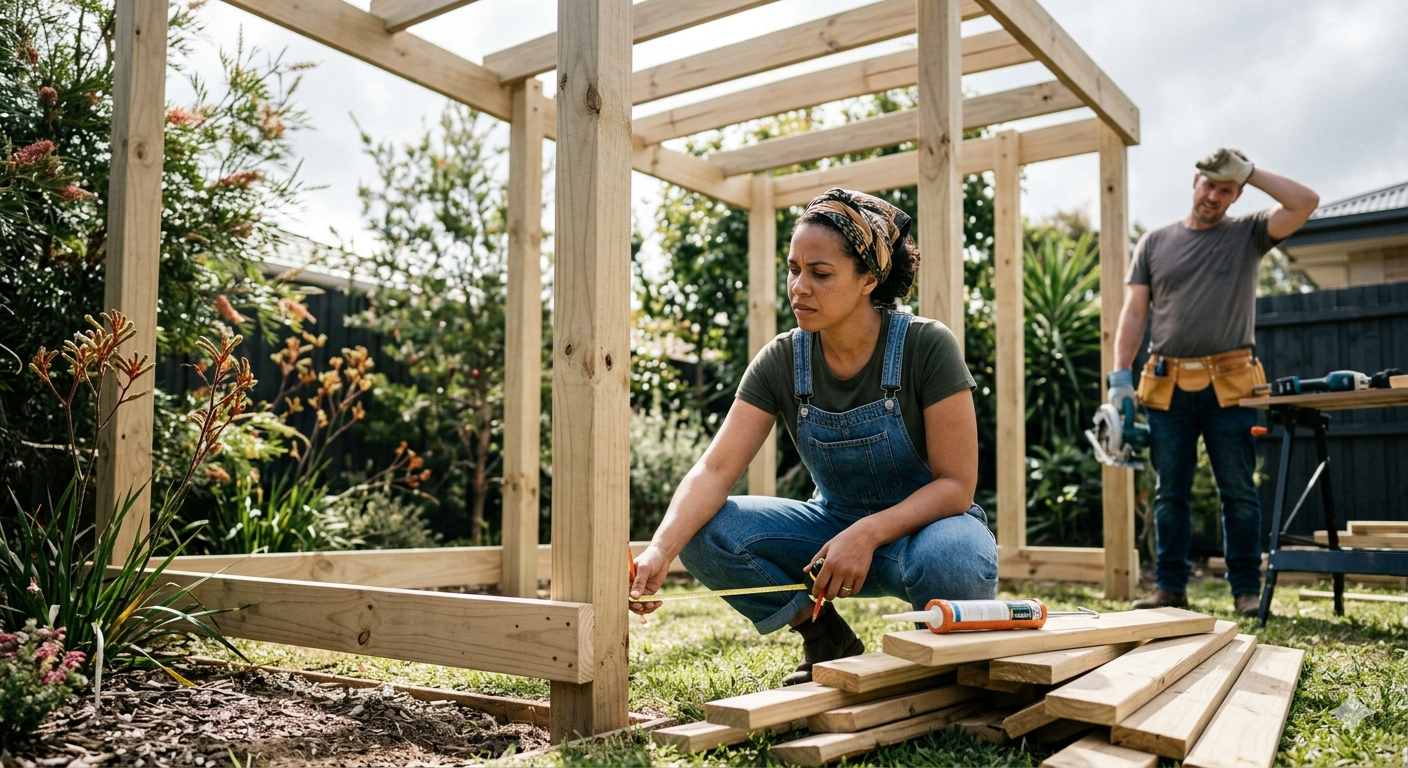
A pergola often starts as a simple idea – a way to create shade, define a space, or add structure to an outdoor area. On paper, it feels straightforward. But once you move from idea to installation, the number of decisions involved quickly becomes clear.
What catches many people off guard is how those decisions interact. A pergola doesn’t exist on its own. It sits within a space, responds to light, weather, and use, and needs to hold up over time. When those factors aren’t considered properly, the result can feel slightly off – even if nothing looks obviously wrong.
That’s usually when people begin reassessing their approach or looking into options like a pergola in Perth after the structure is already in place. At that point, adjustments are possible, but rarely simple.
Understanding where things tend to go wrong early on makes it much easier to avoid those outcomes altogether.
Treating It as a Standalone Feature
One of the more common missteps is designing a pergola without fully considering how it connects to the rest of the space.
It’s easy to focus on the structure itself – the size, the materials, the shape – without thinking about how it interacts with nearby elements. Paths, patios, gardens, and surrounding structures all influence how the pergola feels once it’s built.
When those relationships aren’t considered, the pergola can feel disconnected. It might look right in isolation but not quite sit comfortably within the overall layout.
Designing it as part of a broader space, rather than as an individual feature, helps create something that feels integrated rather than added on.
Misjudging Sun and Shade
Shade is usually one of the main reasons for installing a pergola, but it’s also one of the easiest things to miscalculate.
The way light moves across a space changes throughout the day and across seasons. A pergola that provides shade in the morning might offer very little in the afternoon, or vice versa.
This becomes noticeable only after the structure is in place and being used. What seemed like a well-positioned design can end up missing the times when shade is actually needed most.
Understanding how sunlight interacts with the space beforehand allows for adjustments in orientation, spacing, and coverage that make a real difference.
Choosing Materials Without Thinking Long-Term
Materials define how a pergola looks at installation, but they also determine how it ages.
Some materials require ongoing maintenance to retain their appearance. Others weather naturally but may change in colour or texture over time. Exposure to sun, rain, and temperature changes all influence how those materials perform.
These changes aren’t always considered during planning. The initial appearance often takes priority, while long-term behaviour is treated as secondary.
Over time, that can lead to unexpected upkeep or a finish that doesn’t age the way you anticipated. Choosing materials with an understanding of how they will evolve helps maintain consistency in the space.
Getting the Scale Slightly Off
Size and proportion play a larger role than most people expect.
A pergola that’s too small can feel insignificant, especially in a larger outdoor area. One that’s too large can dominate the space and reduce flexibility in how the area is used.
The issue isn’t just about measurements. It’s about how the structure relates to surrounding elements – furniture, pathways, and open areas.
When the scale feels off, it affects how the space functions and how comfortable it feels to spend time in.
Taking the time to visualise how the pergola fits within the broader layout helps avoid that imbalance.
Overlooking Structural Requirements
A pergola might appear simple, but it still needs to meet structural demands.
Foundations, load-bearing capacity, and connections between elements all influence how stable the structure will be over time. These aspects aren’t always visible once the pergola is finished, but they determine how it performs.
When structural considerations are underestimated, issues can develop gradually. Movement, instability, or wear can appear over time, particularly in changing weather conditions.
Ensuring the structure is built with those factors in mind from the start reduces the likelihood of needing adjustments later.
Ignoring How the Space Will Be Used
A pergola isn’t just something you look at. It’s something you use.
Whether it’s for seating, dining, or simply creating a defined area, how the space functions should guide the design. Without that clarity, it’s easy to end up with a structure that looks appropriate but doesn’t quite support how you intend to use it.
This often becomes apparent once furniture is introduced or when the space is used regularly. Movement feels restricted, or certain areas don’t get used as expected.
Designing with real use in mind ensures the pergola adds value beyond appearance.
Rushing Decisions During Installation
Even with a clear plan, decisions made during installation can affect the final outcome.
Adjustments to positioning, materials, or detailing often happen on-site. When these decisions are made quickly, without fully considering their impact, they can introduce inconsistencies.
These changes might seem minor at the time, but they can influence how the structure looks and performs once completed.
Maintaining a considered approach throughout the entire process helps ensure the final result aligns with the original intent.
Not Accounting for Change Over Time
Like any outdoor structure, a pergola exists within an environment that changes.
Plants grow, light shifts, and surrounding elements evolve. What works at installation might feel different as those changes take place.
Ignoring this progression can lead to a space that gradually feels less balanced or functional.
Designing with that evolution in mind allows the pergola to remain relevant and effective over time.
Getting It Right From the Start
Pergolas are not easily adjusted once they’re built. Changes often involve significant effort, which is why early decisions carry so much weight.
The mistakes that affect pergolas most are rarely obvious. They’re subtle choices that only reveal their impact once the structure is in use.
Taking a more deliberate approach from the beginning helps avoid those outcomes. It leads to a structure that not only looks right, but continues to function as intended.
And in the end, that’s what makes the difference – not just how the pergola appears on day one, but how well it holds up over time.