
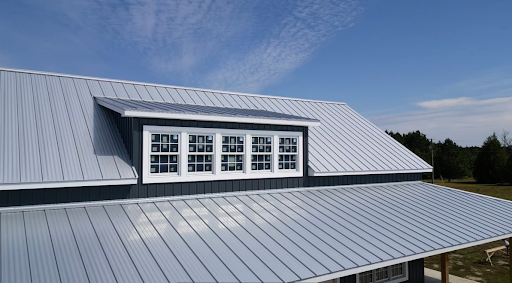
Replacing a metal roof is a major home improvement project that offers long-term benefits—improved durability, energy efficiency, and curb appeal. Whether your existing roof is aged, damaged, or no longer performing well, understanding the step-by-step metal roof replacement process helps you prepare for a smooth and efficient installation. This guide walks you through each phase so you know what to expect and how to make the most of your investment.
Step 1: Initial Roof Inspection and Evaluation
The process starts with a thorough roof inspection by a professional contractor. They will assess the condition of your current roof, identify damage, check for water intrusion, and determine if a full replacement is necessary. This step also includes discussing material options, such as standing seam, corrugated panels, or metal shingles, to match your budget and aesthetic goals.
Step 2: Planning and Estimating
After the inspection, you’ll receive a detailed quote that outlines the scope of work, materials, labor, and timeline. Permits and scheduling will also be addressed during this stage. Choosing the right contractor is critical—look for a licensed and insured company with experience in metal roofing.
Step 3: Removing the Old Roof
On installation day, the crew begins by carefully removing the existing roofing materials. This may include shingles, underlayment, and flashing. If any structural damage or rot is discovered underneath, repairs are made before continuing. Proper disposal of the old materials is handled by the contractor to ensure your property remains clean and safe.
Step 4: Preparing the Roof Deck
Before laying the new roof, the decking must be clean, dry, and structurally sound. An underlayment—often synthetic or self-adhering—is applied to act as a moisture barrier. In some cases, a slip sheet may also be installed to prevent friction between the metal panels and underlayment.
Step 5: Installing the New Metal Roof
Now comes the main event—installing the new metal panels or shingles. Roofers begin from the bottom edge and work upward, securing each panel with fasteners according to the manufacturer’s specifications. Attention to detail is crucial during this phase to ensure panels are aligned properly and sealed tightly.
Step 6: Flashing and Trim Installation
Once the panels are in place, flashing is installed around roof edges, chimneys, vents, and other openings to prevent leaks. Ridge caps and trim pieces are added to complete the look and protect vulnerable areas.
Step 7: Final Inspection and Cleanup
After the installation is finished, the contractor performs a final inspection to check for quality, ensure all components are secure, and confirm the roof meets code standards. Cleanup is the last step—your yard and surrounding areas will be cleared of debris, nails, and leftover materials.
Why Metal Roof Replacement Is Worth It
Metal roofing can last 40–70 years with proper maintenance, making it a smart investment for homeowners who want long-term peace of mind. It’s also energy-efficient, fire-resistant, and eco-friendly.
Ready to upgrade your roof with durable, stylish metal roofing? Contact Florida Roofing and Gutters today for a free consultation and estimate. Let’s protect your home the right way—one metal panel at a time!
This post was written by a professional at Florida Roofing and Gutters. Florida Roofing and Gutters, founded by Tri-Town Construction, is the best Metal roofing Venice FL to turn to for residential and commercial roof replacements and repairs in Southwest Florida.