
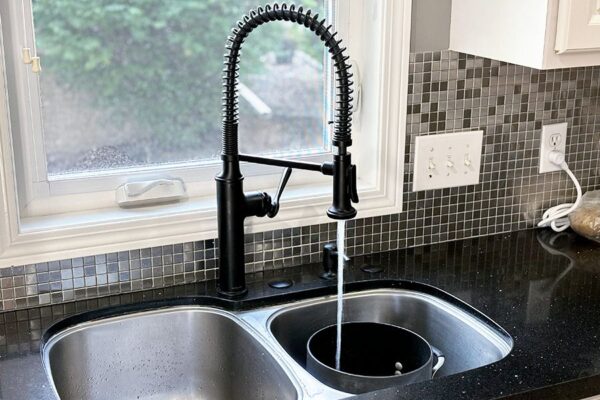
Kitchen faucets play a central role in one of the most active areas of any home. While often overlooked, they impact not just the appearance of the kitchen but also how smoothly everyday tasks are completed. From rinsing vegetables to washing dishes, the faucet is used multiple times a day, making both its design and performance critical. As kitchen design evolves, so too does the range of faucet options, offering a blend of form, functionality, and innovative features.
In modern homes, kitchen faucets are no longer just a basic plumbing fixture. They are now part of a larger visual and practical design strategy. With so many finishes, configurations, and technologies available, choosing the right faucet can transform your space and improve your experience in the kitchen. Whether you’re remodeling or simply replacing an old fixture, understanding what today’s faucets can offer helps you make a better-informed decision.
The process of selecting kitchen faucets begins with identifying your needs and preferences. Do you want a sleek, minimalist design or a bold industrial look? Are you focused on functionality, such as a pull-down sprayer or touchless operation? These considerations will guide your choice, but performance and compatibility with your sink setup should never be compromised.
The Functional Side of Kitchen Faucets
There’s more to kitchen faucets than turning water on and off. Practical functionality is a top priority, especially in a high-traffic kitchen. Homeowners often find that the style of faucet they choose directly influences efficiency. Options like pull-down or pull-out sprayers make it easier to rinse large pots and reach awkward corners of the sink. These features provide flexibility without the need for additional accessories or clutter.
Another popular choice is a single-handle design, which allows users to control water temperature and pressure with one smooth motion. This can be especially useful when multitasking during meal prep or clean-up. Dual-handle faucets, on the other hand, offer a more classic appearance and more precise temperature control but can be less convenient with messy hands.
Touchless faucets are gaining popularity in contemporary kitchens. These models use sensors to activate the water flow, which can help reduce the spread of germs and make cleanup faster. For homes with children or anyone who values convenience and hygiene, these faucets are more than just a luxury feature.
Durability also plays a role in how well a faucet performs over time. Brass construction is often preferred due to its resistance to corrosion. Ceramic disc valves are another high-quality component that reduces leaks and ensures smooth handle operation. The internal workings of kitchen faucets are just as important as their external appearance, especially in a space used as frequently as the kitchen.
Design Considerations for a Cohesive Kitchen Look
Kitchen faucets contribute to the overall aesthetic of the room. With the kitchen now a focal point for both daily life and entertaining, homeowners are paying closer attention to visual details. The finish, shape, and profile of a faucet can either blend seamlessly with cabinetry and countertops or serve as a bold design statement.
Matte black finishes are increasingly popular for their clean, modern look and ability to resist fingerprints. Brushed nickel offers a more muted, warm tone that pairs well with both traditional and transitional kitchens. Chrome remains a timeless option, known for its shine and ease of cleaning. Choosing a finish that complements your cabinet hardware or lighting fixtures creates a cohesive feel.
The faucet’s spout shape also influences how the design is perceived. High-arc models offer more clearance in the sink, which is helpful when filling tall containers. They also tend to look more elegant, especially in open-concept kitchens where fixtures are easily visible. Lower-profile faucets may suit smaller spaces or those seeking a more understated appearance.
Beyond appearance, make sure the faucet’s size and height are appropriate for your sink and space. A faucet that’s too tall can splash water onto countertops, while one that’s too small may limit movement. Balancing form and function ensures the faucet becomes a natural part of the kitchen rather than a daily frustration.
Installation and Compatibility
Before purchasing a new faucet, it’s essential to understand your existing sink configuration. Kitchen faucets require one to four mounting holes, depending on the model. Some sinks have pre-drilled holes, while others do not, which will influence which styles are compatible without modification. If your new faucet doesn’t align with the number of holes available, you may need a deck plate to cover the unused ones or consider professional help to drill new holes.
Most homeowners aim for straightforward installation, especially with newer faucets designed for DIY-friendly setup. Many come with flexible supply lines and simplified instructions that make swapping out an old faucet less of a hassle. However, if you’re dealing with older plumbing or making major changes to your kitchen layout, hiring a professional plumber can save time and avoid potential leaks or damage.
Water pressure and flow rate are other practical elements that can’t be overlooked. Some faucets are equipped with restrictors to limit water use, aligning with environmental standards. While conserving water is important, the flow should still be strong enough to perform basic tasks efficiently. Make sure the faucet you choose offers the right balance for your household’s needs.
Innovation Meets Everyday Use
As technology integrates more seamlessly into everyday living, kitchen faucets have followed suit. Beyond touchless models, some faucets now feature voice activation, programmable settings, and even temperature memory. These advancements enhance the kitchen experience and cater to busy families or avid home cooks who appreciate precision and convenience.
Water filtration systems are also being integrated into faucet design. This eliminates the need for separate filter attachments or pitchers. Having filtered water on demand not only improves taste but also promotes healthier living without cluttering the sink area.
Smart faucets, which can connect to home assistants or mobile apps, are becoming more accessible. They allow users to control flow and temperature hands-free or receive alerts if the faucet is left running. While these features were once considered luxury upgrades, they’re now available in a growing number of models at various price points.
Despite these innovations, the core value of kitchen faucets remains unchanged—they must work well, last long, and support daily routines. As technology improves, these fixtures are becoming smarter and more user-focused without losing sight of durability and practicality.